
How to Plant a Food Plot on Wet or Shady Ground
Almost every property has a spot that gets written off. A low corner that holds water into June. A shaded opening back in the timber that never fills in. But whatever makes ground bad for equipment usually makes it good for deer, and the right seed turns a spot you've walked past for a decade into the best hunting on the place.
Here's how to handle each one.
The Wet Corner That Floods Every Year
Wet ground gets skipped because most food plot seed drowns in it. So that spot stays empty, or a guy plants it anyway, watches it fail, and writes it off permanently.
That's exactly the ground Soggy Bottoms was built for. The clovers in this mix are among the most moisture-tolerant varieties available. They handle wet soils that drown other plants out and hold up to cold weather on top of it. While we don't use turnips in many of our blends, this is one place where they actually shine. The turnips in the mix were selected the same way; varieties that handle saturated ground rather than the same ones you'd put in a well-drained field.
The fix here isn't drainage work, it's just species selection. Plenty of plants handle saturated ground just fine. The problem is that almost none of them are what's in a standard bag of food plot seed, so the average blend has no chance in a wet plot no matter how well you plant it.

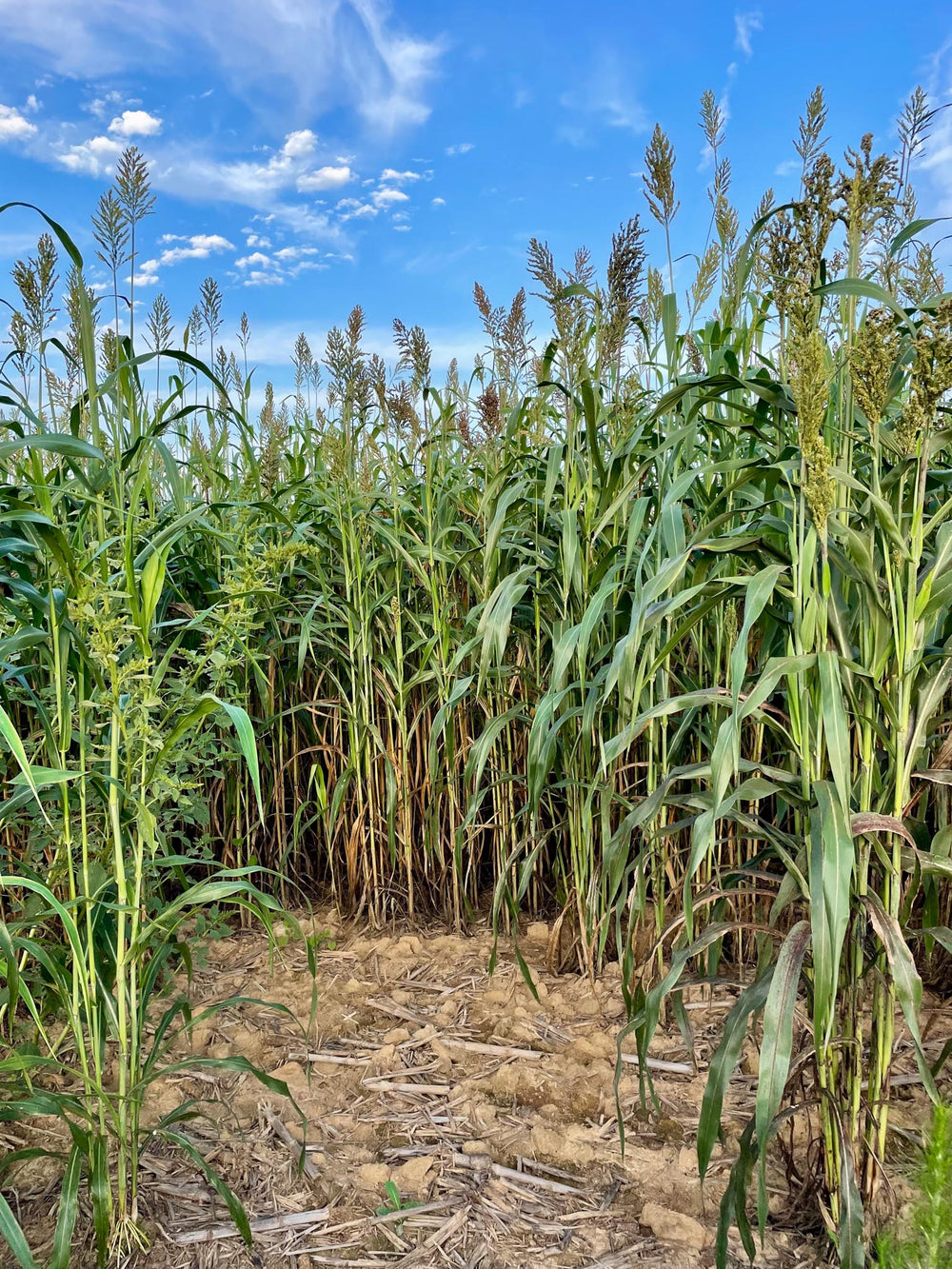
This corner holds water most of the year. Planted Soggy Bottoms, and once it got established it even survived the occasional flooding.
The Shady Opening in the Timber
Shade is the input nobody measures. You can nail your pH, buy good seed, and plant ahead of a perfect rain, and a plot under heavy canopy still comes up thin and stays that way all season. Then the seed gets blamed for something sunlight caused.
The real problem is that almost every food plot blend on the shelf is built for full sun. Plant one of those in a timber opening and it was never going to work, no matter what you did right.
Kill Plot is the answer to that. It's designed to run anywhere from full sun to partial and moderate shade, so a backwoods plot is what the blend was made for. Chicory, rape, radish, rutabaga, and three clovers, and the rape, radish, and rutabaga in particular handle low light far better than the species most blends lean on. Where a full-sun blend comes up thin and stalls out, this one keeps producing.
Shade is only half of what these spots throw at you, though. Shaded openings in the timber are almost always small, tucked in cover, and a long way from the nearest field. That's not a destination plot. That's a kill plot, and it should be planted like one.
A quarter to a half acre back in the timber is a spot a mature buck will actually use in daylight. He'll stage there before he'll ever consider stepping into your big field, and any deer standing on a plot that size is in range. But a small plot takes the same grazing pressure as a five-acre field concentrated into a tenth of the space. Plant something that can't take a beating and you've got a dirt patch by Halloween, right when you need it most. That's the other half of what Kill Plot is built around, species that regrow after deer start hammering them.
That combination is the hard part to find in one mix. Plenty of blends will take a beating in full sun. A few will limp along in shade with no pressure on them. A small woods plot hits you with both at once, and the seed has to handle both or the plot is gone before the rut.
If a spot is truly dark, dropping a handful of trees buys more light than most guys expect, and the tops you leave on the ground add cover in the process. But for the partial and moderate shade most timber openings actually have, the right seed is the whole fix.

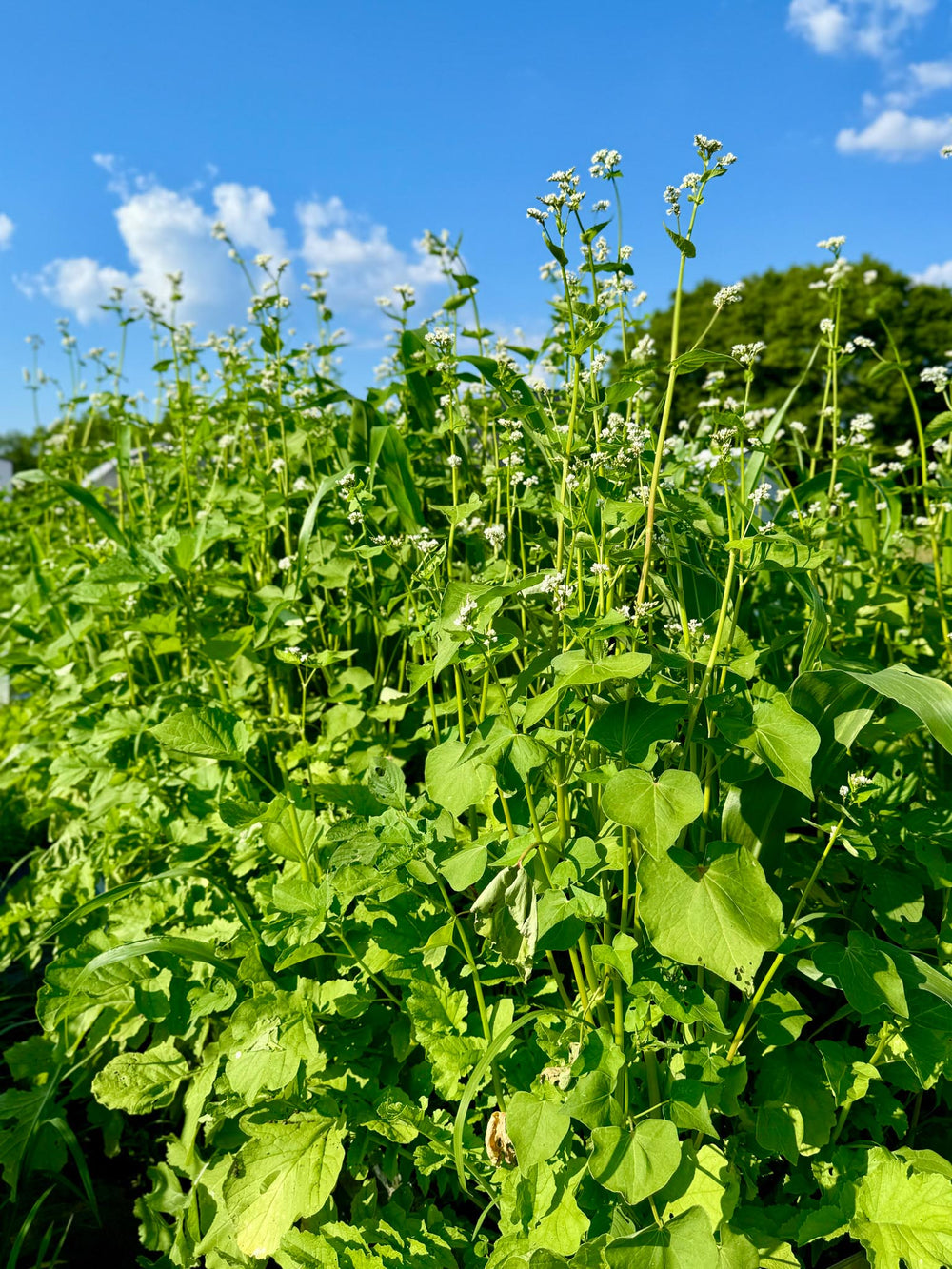
Shaded clearing back in the timber with heavy grazing pressure, and Kill Plot is still producing. Exactly what it's built for.
Plan It Before You Plant It
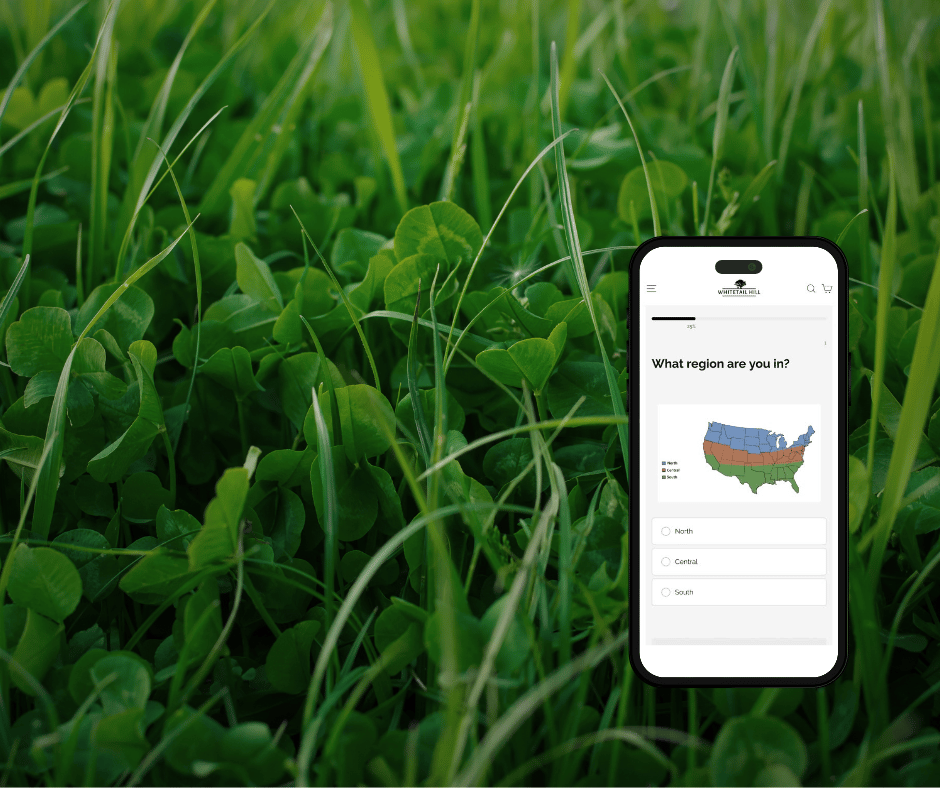
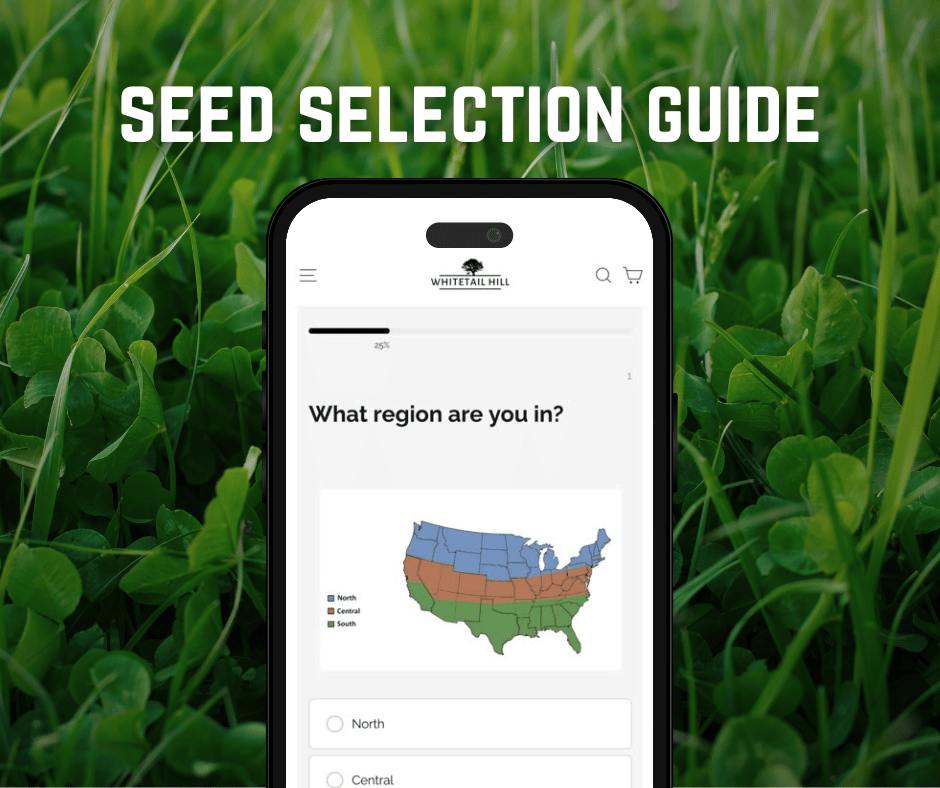
The hardest part of rough ground is usually not the planting. It's knowing what you're dealing with before you spend money on it, and that's what the free Whitetail Hill app is built for.
Measure the spot first. Draw it on satellite imagery or walk the edges with GPS and you'll get real acreage, which matters more on odd-shaped ground than anywhere else. Nobody eyeballs a wet corner or a timber opening accurately, and the app takes that acreage and tells you exactly how much seed, lime, and fertilizer that specific spot needs. No guessing, no buying two bags for a plot that needed one.
The Sun Check tool is worth using on any timber opening. Hold your phone up in the spot and it overlays the sun's actual path across the sky on what your camera sees, for whatever month you pick. It tells you how the light shifts through the season and shows you exactly which trees are doing the shading, so if you decide to open the canopy up you know which ones to drop instead of guessing.
Every spot gets its own profile too, so what you planted, what it needed, and how it did are all saved for next season instead of living in your memory. On rough ground especially, that record is worth having. These spots take some experimenting, and knowing exactly what you did last year is how you get the second attempt right.
Start With One
You don't have to fix every rough acre this year. Pick the one spot you've walked past the most, figure out which problem you're actually dealing with, match the seed to the conditions, and get it in ahead of a rain.
There's a decent chance you'll be hunting it this fall.
Frequently Asked Questions
Can I plant a food plot in a wet or flooded area?
Yes, with the right species. Most food plot seed drowns in saturated soil, but moisture-tolerant species handle it fine. Soggy Bottoms was built entirely from species selected for wet ground, from the clovers to the turnips, which is why it produces where standard blends fail.
Can I grow a food plot in the shade?
Yes, if you plant for it. Most blends are built for full sun and come up thin under canopy, which is why so many timber openings disappoint. Kill Plot is built to produce in full sun through partial and moderate shade, using species like rape, radish, and rutabaga that handle low light well.
What should I plant in a shady spot in the timber?
Shaded openings are usually small and close to cover, which makes them kill plot ground. You need seed that handles two things at once: low light and heavy browsing. Kill Plot is built for both, with chicory, rape, radish, rutabaga, and three clovers that tolerate shade and regrow under grazing pressure.
Is a small food plot worth planting?
Often they're the best hunting ground you have. Quarter to half-acre openings tucked in cover get daylight use from mature bucks that won't step into an open field until dark. The catch is grazing pressure, so the seed has to be able to regrow through it.
Should I try to drain a wet spot before planting it?
Usually not worth it. Ditching or filling a low corner is expensive and often doesn't hold. Planting species that want wet feet costs a fraction of that and works with the ground instead of against it.
How do I know if a rough spot is worth planting at all?
If you can match seed to the conditions, it's almost always worth planting. Those spots take zero pressure and hunt better than open ground, which is exactly why they're worth the effort.