
When to Plant Fall Food Plots (And Why Most Guys Get It Wrong)
 Every year around the middle of summer, the same thing happens. Hunting season still feels a long way off, the thermometer says it's definitely not fall, and food plots are the last thing on most guys' minds. Then everybody snaps out of it at once, rushes to get seed, and plants their fall plots whenever they can squeeze it in — ready or not.
And every year, a whole lot of those plots disappoint.
Here's the thing: the difference between a plot that looks like a magazine cover in November and one that's thin, weedy, or flat-out dead usually isn't the seed, and it isn't the soil. It's the timing. Plant too late and your plot never puts on enough growth before cold weather shuts it down. But plant too early — before the conditions are right — and you can fail just as hard. So let's break it down — starting with the thing that matters more than any date on the calendar.
The Single Biggest Factor: Moisture
Before we talk dates at all, we need to talk about the thing that makes or breaks more fall plots than everything else combined: moisture.
Seed sitting in dry dirt doesn't grow — it just feeds the turkeys. And seed that sprouts on one small rain and then bakes for two weeks is even worse, because now you've spent your seed and you've got nothing to show for it. A plot planted three days ahead of a soaking rain will beat a plot planted "on schedule" into dust every single time.
This is exactly why planting windows shift as you move south. It's not just about frost dates. Across most of the South, July and early August simply don't bring enough reliable rainfall to get a plot established — it's the driest, hottest stretch of the year. The guys down south who try to plant on a northern schedule because they saw it on a hunting show usually end up watching their plot cook in the field. Southern windows run later for a reason: you're waiting on the weather pattern to turn, when the brutal heat breaks and dependable rains return.
So no matter where you live, here's the rule: your regional window tells you when to be ready, and the forecast tells you when to plant. Once your window opens, stop watching the calendar and start watching the radar. When a real soaking rain is coming, that's your green light. The guys with seed already in the shop and ground already prepped can jump on a Tuesday rain. The guys still waiting on a shipment watch that rain soak into their neighbor's plot instead.
Counting Backwards From First Frost
The other half of the timing equation is your average first frost date, because everything you plant needs enough growing days before that frost to put on real tonnage.
Brassicas need the most runway, which is why they're the first thing to go in the ground each year. Give them a full window and you get big leafy tops and bulbs that carry your deer deep into winter. Shortchange them and you get a thin, wispy plot that's wiped out by Halloween.
Cereal grains and clover come in behind the brassicas. This one trips up a lot of guys: oats, wheat, and rye planted too early will bolt and get stemmy before the season even starts, and deer want those grains young, green, and tender. Clover, on the other hand, spends its first weeks building roots rather than tops — and fall is a great time to establish a perennial clover plot, because the summer weed cycle is dying down and the clover gets a head start on everything next spring.
Your Planting Windows By Region
Here are the windows we print on every bag, and they're worth following:
| Region | Brassicas | Cereal Grain & Clover Mixes |
|---|---|---|
| North | July – August | August – September |
| Central | August – September | August – October |
| South | September – October | September – Early November |
Notice how it works. Up north, first frost comes early, so you have to plant early — the brassica window is open right now, and moisture in late July and August is usually dependable enough to do it. Down south, it's flipped: frost comes late (or barely at all), so there's no need to rush, and the summer drought means rushing will actively hurt you. If you're in the South, September through October is your brassica window and you can run cereal and clover mixes clear into early November. Central states split the difference.
Wherever you are, the play right now in mid-July is the same: get your soil test done, get your weeds sprayed, and get seed on the shelf so you're ready the moment your window and a good rain line up. The number one reason plots get planted late — or get forced into bad conditions — isn't laziness. It's guys scrambling for seed and lime at the last minute instead of having everything staged and waiting on the weather.
What Should Actually Go in the Ground?
Timing is half the battle — the other half is planting something deer actually want to eat once it's up. A few ways to think about it:
If you want the classic fall and winter plot, start with brassicas — the right ones. Our Late Season Brassicas mix is built from the brassicas deer genuinely prefer: rutabagas, radishes, sugar beets, rape, and New Zealand forage brassicas that stay green down to 10 degrees and regrow after deer start hammering them. No kale, no filler. Plant it in your regional window and it'll produce from early season clear through the dead of winter.
If you don't have a tractor — or your plots are back in spots equipment can't reach — that's exactly what No Till No Problem was made for. Rake back the leaves to expose bare dirt, broadcast ahead of a rain, and let the seed do the rest. Cereal grains, clover, radish, and chicory in one bag, and the easiest fall plot you'll ever plant.
If you're playing the long game, use this fall to establish Whitetail Hill Clover. A perennial clover plot planted this fall will be feeding deer next spring, all summer during antler growth, and for up to 5 years — one planting, seasons of payoff.
And if you've got a low, wet spot you've always written off as unplantable, don't. Soggy Bottoms was blended specifically to handle ground too moist for other plantings, and those damp corners often turn into the best hunting on the whole property.
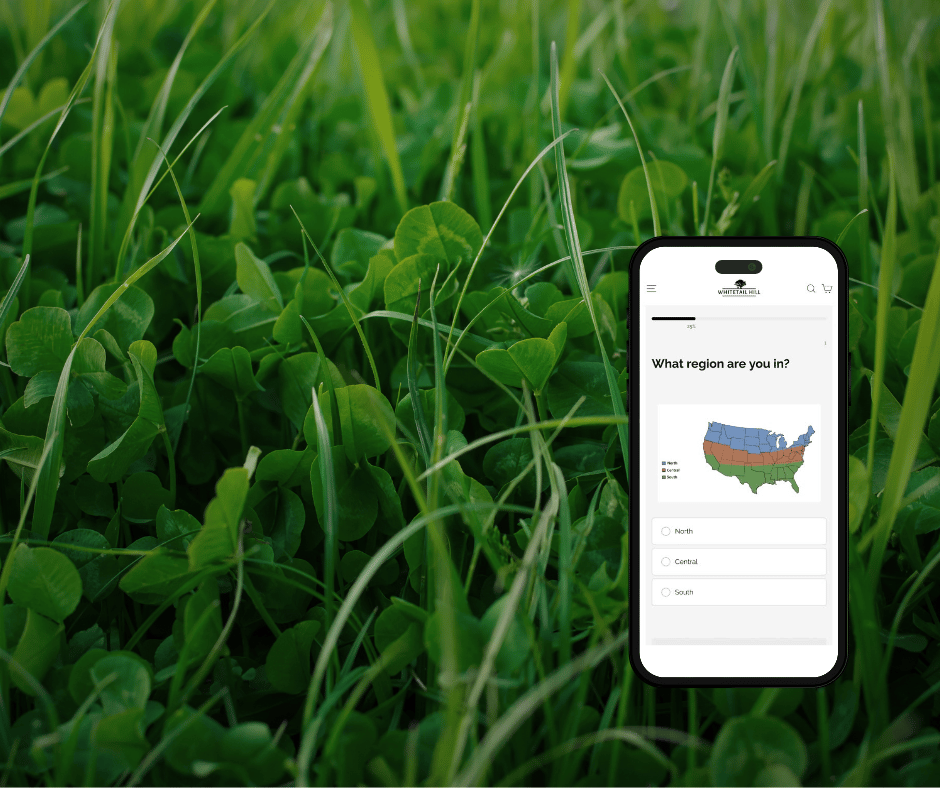
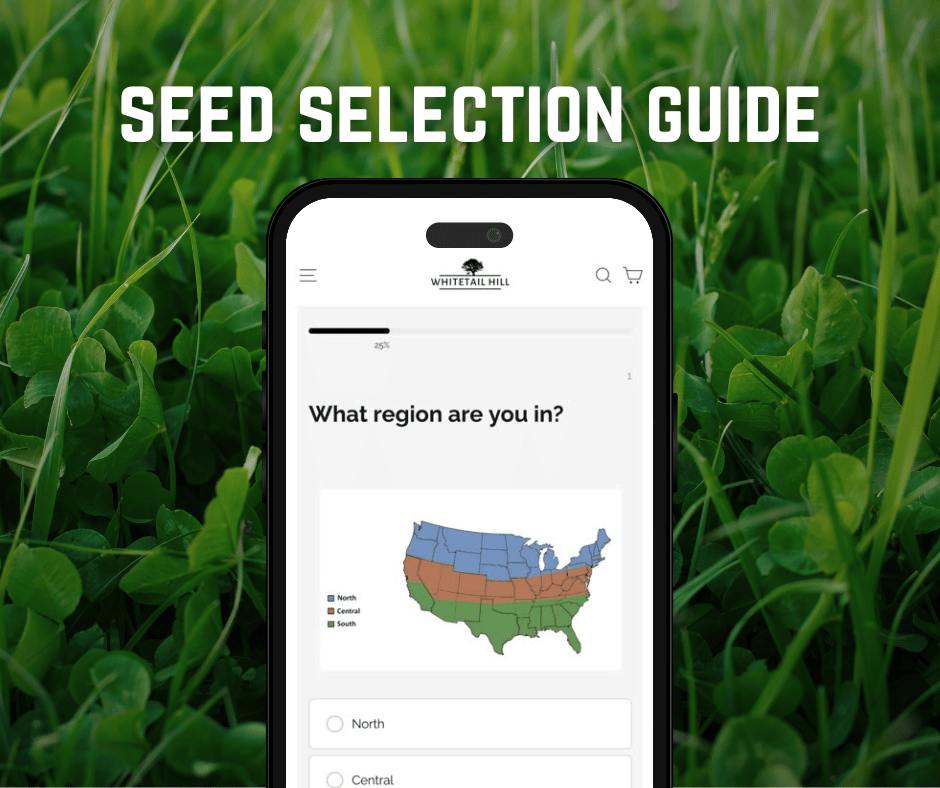
Not sure which one fits your ground? Our Seed Selection Guide will match you with the right mix in about a minute.
Be Ready When Your Window Opens
Fall plots reward the guys who prepare early and plant smart. Whether your window opens next week or two months from now, the work starts today: test your soil, kill your weeds, get seed in hand — then watch the forecast and pull the trigger when the rain lines up.
Come opening day, you'll either be sitting over a plot that looks like a magazine cover, or wishing you'd started when you read this. Your call.
Frequently Asked Questions
When should I plant fall food plots?
Plant when moisture is in the forecast, working backwards from your average first frost date. In the North, brassicas go in July through August and cereal grain and clover mixes August through September. Central states run brassicas August into September and mixes August through October. In the South, brassicas go in September into October and mixes September into early November.
When is it too late to plant a fall food plot?
It depends on your region and what you're planting. Brassicas need the longest runway, so once you're past your regional brassica window, switch to a cereal grain and clover mix instead of forcing brassicas in late. Cereal grains establish fast and will still produce a huntable plot planted at the back end of the window — as long as you have moisture.
Should I plant on schedule if it's dry, or wait for rain?
Wait for rain. A plot planted three days ahead of a real rain will beat one planted "on schedule" into dry dirt every time. Seed sitting in dry soil doesn't establish, and a single early shower followed by two dry weeks will cost you the whole planting. Once your window opens, watch the forecast, not the calendar.
Can I plant brassicas and cereal grains at the same time?
Not usually, because they don't want the same timing. Brassicas need the longest window to put on tonnage, while cereal grains planted too early can bolt before hunting season even starts. Plant brassicas first and come back with grains and clover a few weeks later.
Why do southern plots get planted later than northern ones?
Two different reasons pulling the same direction. The North plants early because first frost arrives early and the plot needs the growing days. The South plants later because mid-summer is its dry season — planting on a northern schedule in the South means putting seed into drought.
Is fall a good time to plant perennial clover?
Fall is one of the best times. Summer weed pressure has dropped off, which gives a new clover stand far less competition than a spring planting fights through. A perennial clover plot established this fall will feed deer next spring, through summer antler growth, and for several seasons off that one planting.
Can I plant a fall food plot without a tractor?
Yes. A backpack sprayer, a hand spreader, and a mower or weed eater are enough to put in a real plot. Broadcast onto exposed soil right before a rain rather than trying to work ground you don't have equipment for.
What should I do before my planting window opens?
Soil test, spray, and have seed in the barn — all of it done ahead of time. The most common reason plots go in late isn't laziness, it's scrambling for supplies while the one good rain of the month passes by. When the forecast turns, you want to be spreading seed, not driving to town.