
Best Fall Food Plot Seed for Deer (And What to Leave on the Shelf)

The best fall food plot seed is a blend built around species deer actually prefer: cereal grains and clover for action from the day the plot sprouts, plus the right brassicas — radishes, sugar beets, rutabagas, and forage rapes, not turnips and kale — for tonnage that carries deer deep into winter. If you can only plant one thing this fall, plant a blend. Single-species plots fail more often, and they feed deer for a shorter window.
That's the short answer. But if you've ever stood in front of a wall of seed bags wondering what the difference really is, stick around — because the seed aisle is where most food plots are won or lost, months before anybody climbs into a stand. And a lot of what you've been told about picking seed is flat wrong.
Start Here: Deer Eat What They Like, Not What You Plant
It all looks like salad to us, but to a deer, different plants rank very differently on the food pyramid. Some species — clovers, peas, beans, radishes, natives like jointvetch — are the cheeseburger and fries of the deer world. You don't have to twist their arm. Other species are desperation food: deer will eat them when there's nothing else left, and not a minute sooner.
That single fact explains most food plot disappointment. A plot full of species deer don't prefer will sit there looking like a magazine cover while the deer eat somewhere else — right up until late winter, when supply runs out and they finally get desperate. If you want a plot that gets used all season, on any property, the seed decision comes down to one question: is this something deer actually want to eat when they have options?
Cereal Grains and Clover: The Table Setters
Oats, wheat, and cereal rye are the fastest action you can put in the ground in the fall — deer hit them almost as soon as they sprout. The part most guys get wrong is timing, not species: grains planted too early bolt and get stemmy before the season even starts, and deer want those grains young, green, and tender. Plant them in your window (more on that below) and they'll pull deer from day one through the rut.
Clover is the long game — the cheapest, most reliable protein per acre you can grow. Establish a perennial clover plot this fall and it feeds deer next spring, all summer through antler growth, and for up to five years off one planting. But not all clover is created equal — the variety in the bag matters as much as the word "clover" on the label. Our Whitetail Hill Clover stacks five of the best food plot clovers out there into one drought-tolerant, protein-dense perennial plot, and if you want that plant-once approach with even more diversity, Multi-Year Mix adds to the recipe and sticks around 3–5 years or more.
Brassicas: The Most Misunderstood Seed in the Aisle
Here's where we break from the prevailing wisdom. You've probably heard that deer ignore brassicas until a hard frost "sweetens" them up. There may be a thread of truth in it, but it misses the bigger picture — and it's led thousands of guys to plant turnip-and-kale plots that sit untouched all season and sour them on brassicas entirely.
The real story is simpler: turnips and kale are two of the least palatable brassicas you can plant. When deer do eat them, it's usually desperation, not preference. But brassicas as a family include some of the most attractive, highest-tonnage forage you can grow — radishes, sugar beets, rutabagas, and the rapeseed family including New Zealand forage brassicas. Plant those and you don't wait on a frost. We see action in these plots from September on. (We wrote a whole piece on this: Why Deer Aren't Using Your Brassicas.)
That's exactly how our Late Season Brassicas is built — every brassica listed above and nothing else. No turnips, no kale, no filler. The blend stays green down to 10 degrees and regrows after grazing up to four times, so the plot that starts producing in September is still hunting in January.
Why a Blend Beats a Bag of Anything Single
Weather doesn't care about your plans. A dry September that stunts one species won't touch another; an early cold snap that slows the clover is no problem for the grains. A good blend is insurance — different species peak at different times, so the plot stays attractive from bow opener through the last week of the season instead of giving you one hot month.
That's why our two complete blends are built the way they are. Early Draw is packed with cereal grains and clover for attraction from the day it sprouts — the pick if your best hunting happens early and through the rut. Late Draw flips the recipe, heavy on the brassicas deer actually like with grains and clover in support — the pick if you do your damage after Thanksgiving. Both cover all the bases; the difference is where the punch lands.
Match the Bag to Your Ground
Hunting a small plot back in the timber? Small plots get hammered, so graze tolerance is everything. Kill Plot blends graze-tolerant brassicas, clovers, and chicory that keep deer coming back day after day instead of getting wiped out in a week.
No tractor? Doesn't matter. No Till No Problem is built from species that establish with nothing but a sprayer and a spreader — rake back to bare dirt, broadcast ahead of a rain, and let it grow. The easiest fall plot you'll ever plant.
Got a low, wet spot you've written off? Don't. Soggy Bottoms was blended specifically for ground too moist for other plantings, and those damp corners often turn into the best hunting on the whole property.
Soil that's never grown anything well? Fix the dirt first. A soil test is the highest-return $17 in food plotting (here's why), and a season of Dirt Doctor rebuilds topsoil and breaks compaction while still feeding deer.
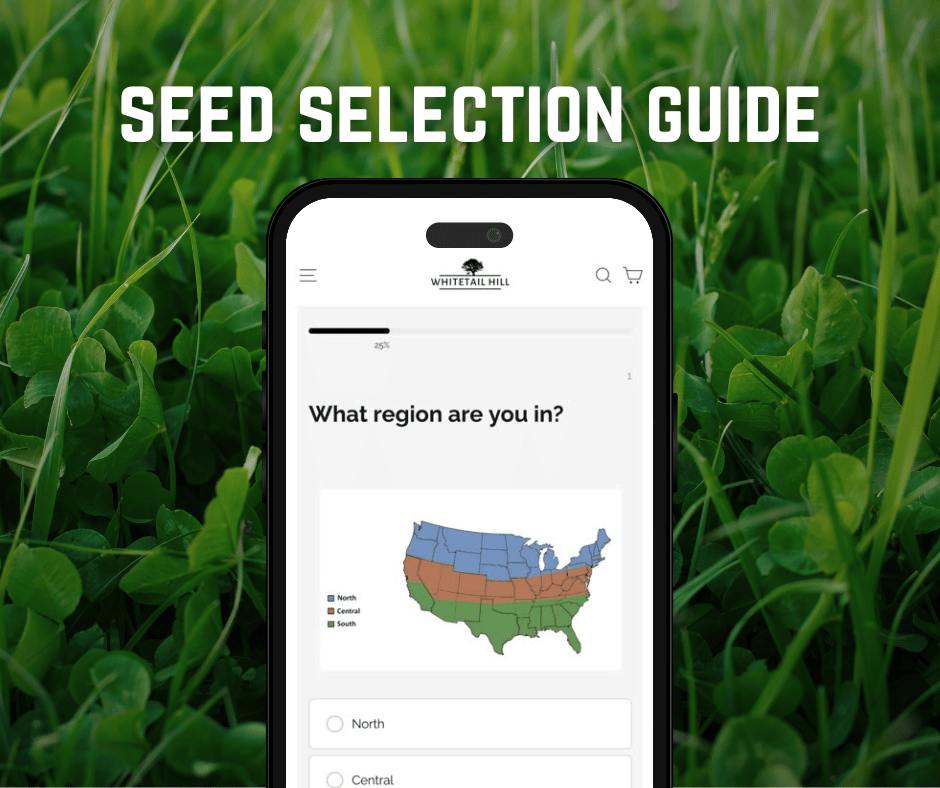
Still not sure? Our Seed Selection Guide matches you with the right mix in about a minute.
Frequently Asked Questions
What's the easiest fall food plot to grow?
A no-till blend. No Till No Problem combines cereal grains, clover, radish, and chicory that establish with no equipment — expose bare dirt, broadcast ahead of a soaking rain, and you're done. It's the most forgiving first plot a new food plotter can put in.
Do brassicas need a frost before deer will eat them?
No — that's one of the most repeated misconceptions in food plotting. Deer eat palatable brassicas like radishes, sugar beets, rutabagas, and forage rapes from September on, no frost required. The plots that sit untouched until late winter are almost always planted in turnips and kale, which deer treat as desperation food.
Why won't deer eat my turnips?
Because turnips are one of the least palatable brassicas you can plant. Deer eat what they prefer when they have options, and in most of the country they have options well into winter. Replant with brassicas deer actually like — the ones in Late Season Brassicas — and the same plot that sat untouched will get action from early season on.
Is a blend better than planting a single species?
For almost everyone, yes. Blends spread weather risk — if conditions hurt one species, the others cover for it — and they extend the attraction window because different species peak at different times. A complete blend like Early Draw or Late Draw keeps one plot producing all season.
What should I plant for late-season hunting?
A brassica-forward plot built from palatable varieties. Late Season Brassicas stays green down to 10 degrees and regrows through repeated grazing, and Late Draw wraps those same brassicas in a complete blend — either one gives you a plot that's still hunting in January.
When should I plant a fall food plot?
By region: up North, brassicas go in July–August and grain/clover mixes August–September. Central states run August–September for brassicas and August–October for mixes. In the South, brassicas plant September–October and mixes run clear into early November. Wherever you are, your window tells you when to be ready — the forecast tells you when to plant. Always plant just ahead of a soaking rain. Full breakdown here: When to Plant Fall Food Plots.
Plant What They Want, When It Counts
Picking fall seed comes down to two decisions: plant species deer actually want to eat, and plant them in your window ahead of a rain. Get those two right and you'll spend November hunting over a plot that works — not staring at a pretty green field wondering where the deer went. Get seed on the shelf now so you're ready when your window and the radar line up.
Frequently Asked Questions About Fall Food Plots
Q: When is the best time to plant fall food plots?
A: The best time depends on your region, but the most important factor is having rain the forecast.
Q: What's more important—planting date or rainfall?
A: Rainfall. A plot planted just before a soaking rain will almost always outperform one planted on the "right" calendar date into dry soil.
Q: When should I plant brassicas?
A: Brassicas should be planted first because they need the longest growing period before frost. Plant them during your regional brassica planting window for the best results.
Q: Is fall a good time to plant clover?
A: Yes. Fall is one of the best times to establish perennial clover because weed pressure is lower, allowing the clover to develop a strong root system before spring.
Q: What should I do before my planting window opens?
A: Get your soil tested, control existing weeds, prepare your seedbed, and have your seed ready. That way you can plant as soon as favorable rain is in the forecast.
Q: What's the biggest mistake hunters make with fall food plots?
A: Waiting until the last minute. Having your ground prepared and seed on hand allows you to plant when conditions are right instead of when your schedule allows.