
How to Manage a Small Property for Deer
How to Manage a Small Property for Deer
Maybe you've got 15 acres. Maybe 50. Either way the guy behind you has 300, the farm on the other side runs a thousand, and it's hard not to feel like you got dealt the short hand.
You didn't. Small properties kill big deer every year. But they get managed differently than big ones, and the guys who struggle on small acreage are usually the ones running a big-property playbook on small ground.
You Can't Out-Acre Anybody, So Quit Trying
Here's the thing to get straight before you spend a dollar. A whitetail's home range runs somewhere around a square mile, which is roughly 640 acres. That's bigger than your whole place, so the deer you hunt are going to spend some of their time on your neighbors' ground no matter what you do.
That doesn't mean you can't have the biggest share of it. A deer that beds on your property is spending most of his day right there, and that's the whole ballgame. You aren't trying to fence deer in. You're trying to be the piece of ground they choose.
So the goal on a small place isn't to hold deer around the clock. It's to be the best spot in the neighborhood for something they need and can't easily get anywhere else.
That's the whole strategy, and it's worth saying plainly: on a small property, your job is to provide what the properties around you don't.
Start by Looking Off Your Property
Most guys start by walking their own ground and figuring out where to put a plot. Start the other direction.
Pull up satellite imagery and look a mile out in every direction. What do you see? Standing crops? Unbroken timber? Pasture? Houses? How much of it is thick, and how much is open? Where are the other hunters, and how hard do they hunt?
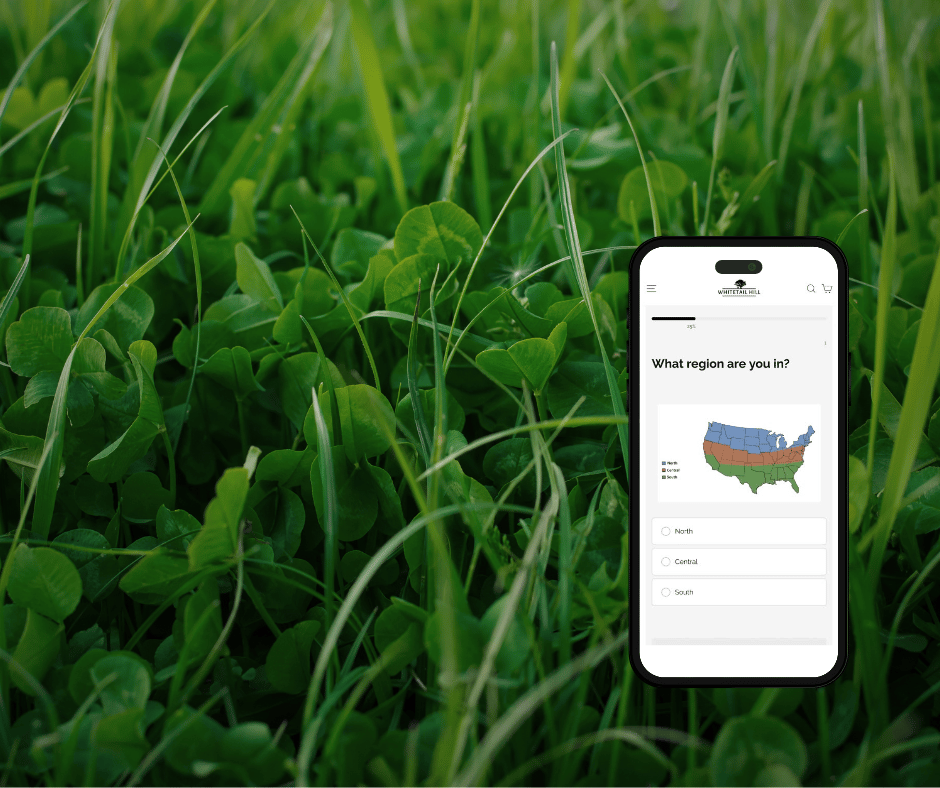
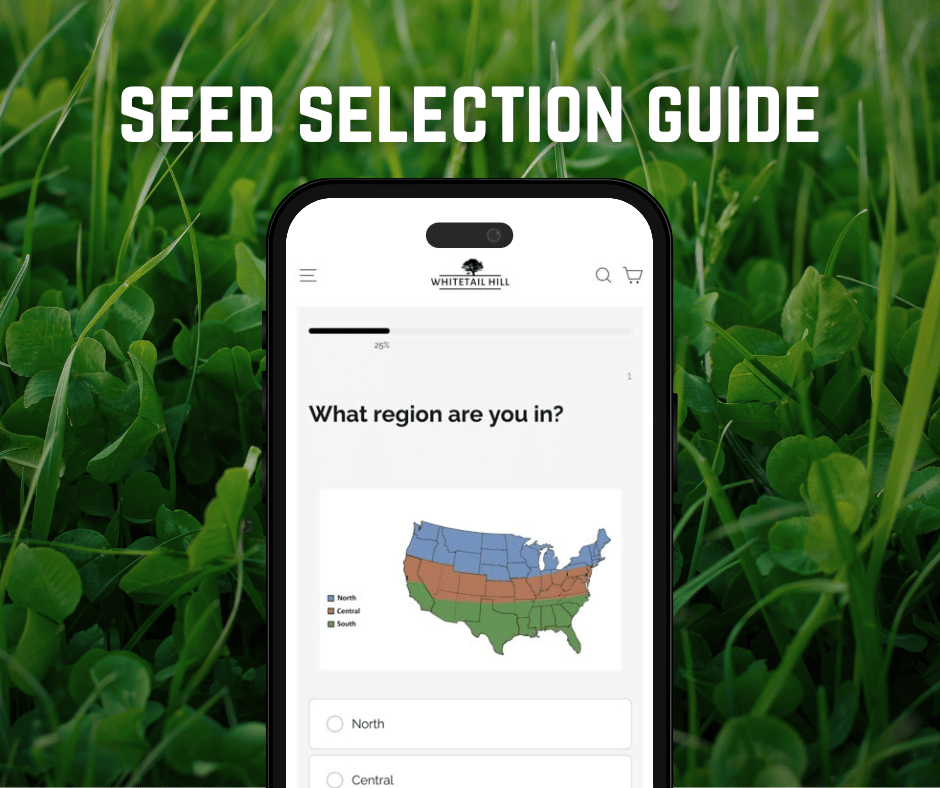
The Whitetail Hill app is a good place to do this, because you're working on the same map you'll use later to lay out plots, measure them, and figure out what each one needs. What you learn about the neighborhood carries straight into the plan instead of living in your head.
You're looking for the hole. Whatever's in short supply out there is what your place should be selling, because that's what pulls deer across a property line and keeps them coming back.
When Cover Is the Missing Piece
If you're the only thick spot in a sea of open ground, you don't need to do much to win. You just need to commit.
The good news is cover is the cheapest habitat work there is. Thinning timber and putting fire on the ground turns a bare understory into a wall of browse and bedding. Letting an old field go instead of mowing it does the same thing for free. Dropping a few junk trees to get sunlight on the dirt starts working in one growing season.
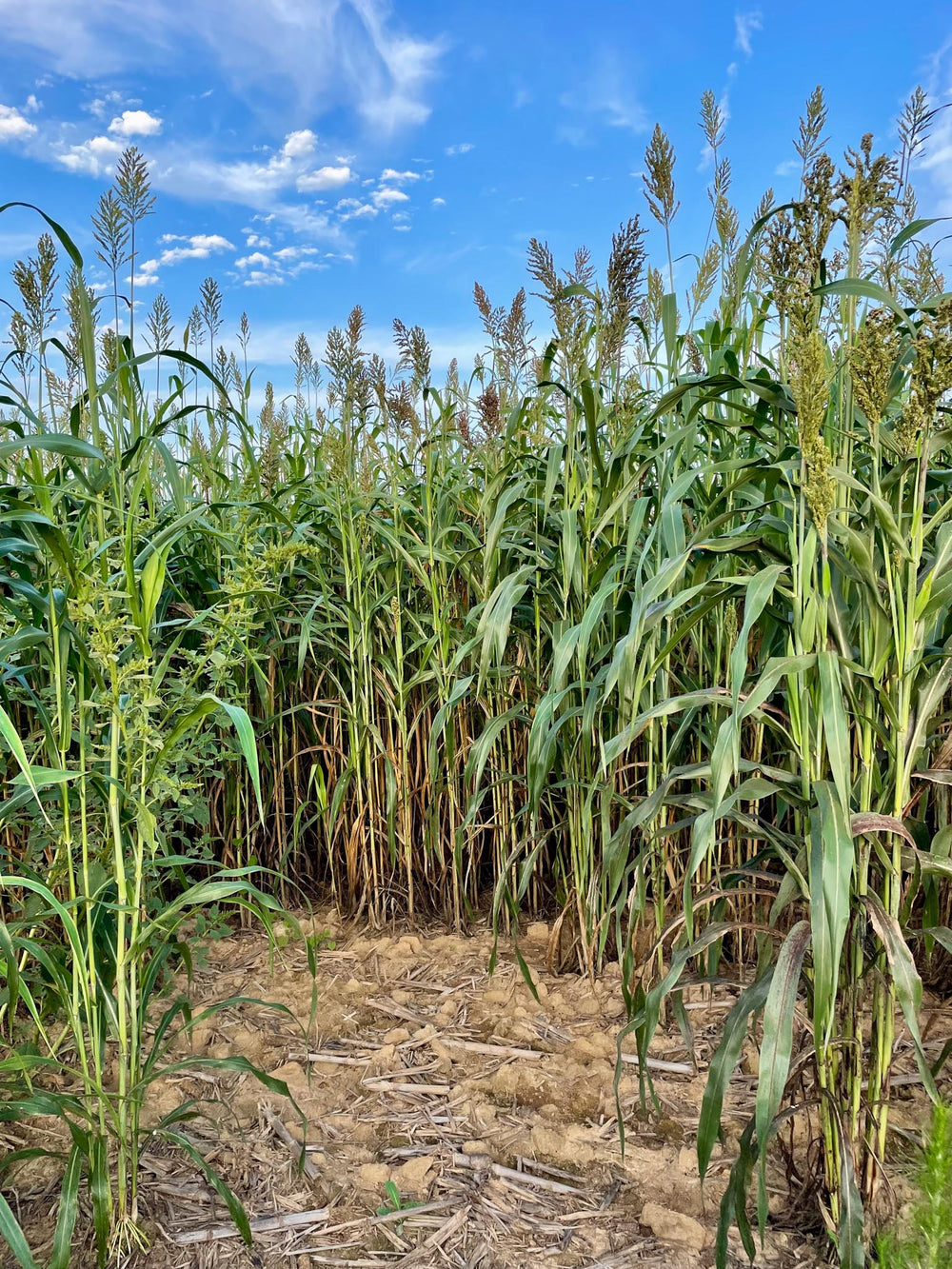
Where natural cover falls short, plant it. A screening strip along your property line, your access route, or the edge of a plot does two jobs at once. It hides you coming and going, and it makes the ground behind it feel safe enough for a mature buck to use in daylight. Hideaway is built for that, with sorghum and millet varieties that stack up to 12 feet and stay standing through winter weather.
Cover is also the one thing you can overdo in the other direction. Every acre you clear for a food plot came out of cover, and on a small property you don't have much to spare. If putting in another field means bulldozing the only thicket you own, don't. You'll hold more deer with two well-fed acres and a lot of thick stuff than with five acres of plots and nowhere for a deer to spend the day.
When Food Is the Missing Piece
If you're buried in timber, the math runs the other way. Nobody around you has anything green, so a plot on your place is the only restaurant for a long way, and deer will come.
That's the situation where it's genuinely hard to plant too much, and where you lean toward the high end of your acreage. Opening the canopy helps here too, since thinning and burning grows browse across the whole property instead of just the acres you disc.
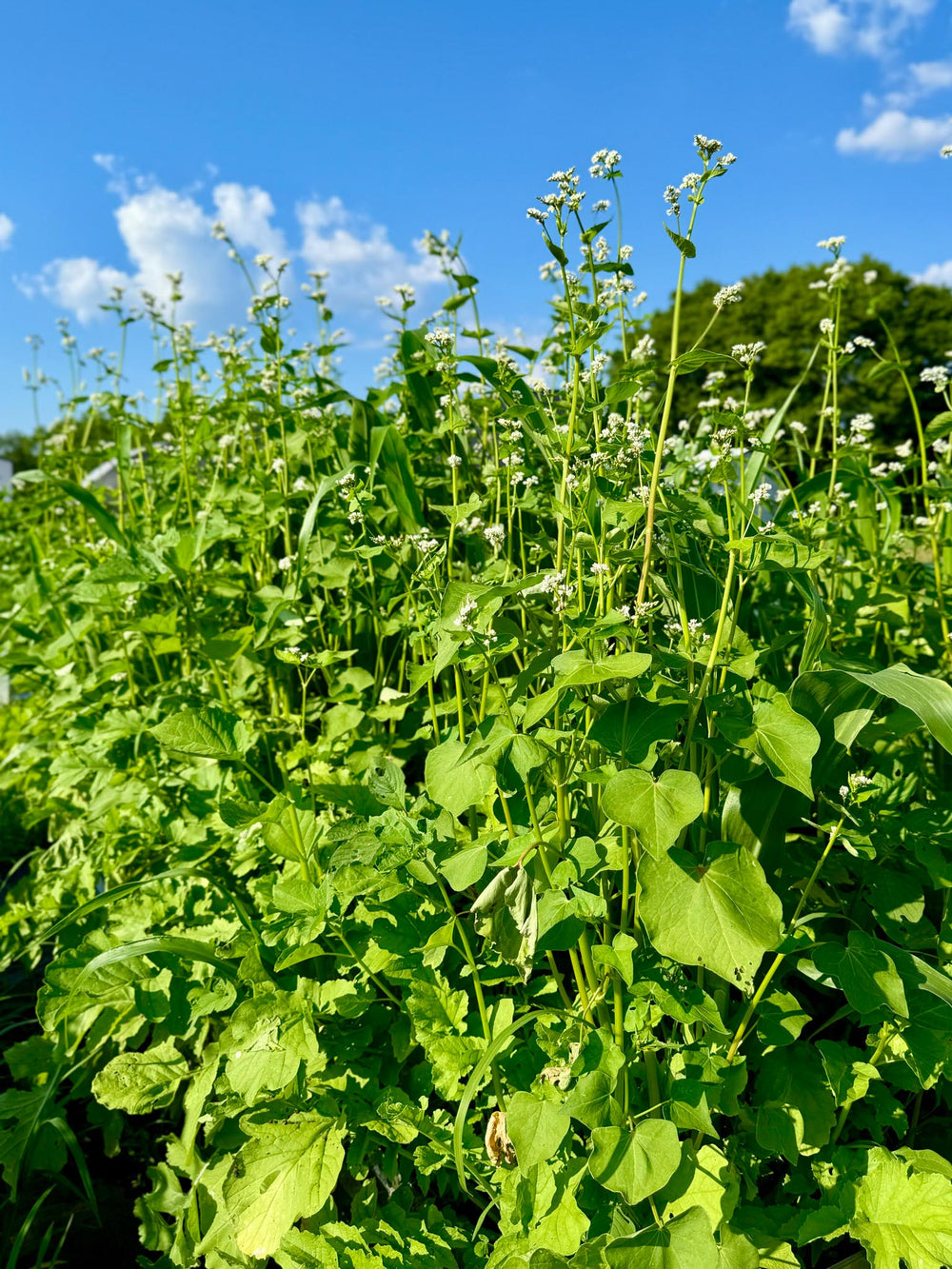
In farm country, food still matters, it just does a different job. You're not going to out-feed an ag field of soybeans in September, so don't try. What you can do is be the last green thing standing in December, after the beans are cut and the corn is picked and every deer in the neighborhood is looking for something to eat. Late Draw and Late Season Brassicas are built for that window, and that's when a small property in ag country does its best work.
Either way, get more out of the ground you plant by keeping it producing longer. A perennial like Whitetail Hill Clover feeds deer through spring green-up, antler growth, and fawning, then keeps going into fall.
Spread Your Food Out
Here's where small-property guys most often go wrong. They clear the biggest opening they can and put all their food in one place.
Scatter it instead. Several small plots spread across the property beat one big field at the same total acreage, and it isn't close. More deer get access to food without crowding each other, you take grazing pressure off any single opening, and you give yourself a spot to hunt on almost any wind. One big field gives you one setup, and it's usually the one the whole neighborhood already knows about.
Somewhere between 5 and 10% of your total in food is a reasonable target. On 50 acres that's 2 to 5 acres, which might be one 1- to 2-acre plot doing the feeding and four or five quarter- to half-acre plots tucked back in cover where you actually hunt. On 20 acres you're looking at one to two acres total, and nearly all of it should be small plots. If you want the full breakdown on how those two types differ, we covered it in our guide on kill plots vs. destination plots.
The small ones are also the cheapest ground you'll ever add, and you don't need equipment for them. Old logging roads, landings, and field corners will grow a plot with nothing but a sprayer and a spreader using our no-till method. Small plots take a beating though, so they need seed that regrows under pressure. That's what Kill Plot is built around.
Give Up Ground You Never Walk
The single most valuable thing on a lot of small properties isn't a plot at all. It's the piece you leave alone.
If everybody around you hunts hard, quiet ground is the scarcest thing in the neighborhood, and you can supply it without buying a bag of anything. Take the densest cover you've got and leave it be. Most guys call that a sanctuary, and the name fits. No stands in it, and as few trips through it as you can manage. A buck that keeps running into you back there will start using it after dark instead, and that's hard to walk back.
How much you set aside is up to your place and how you hunt it. The size matters less than having somewhere on the property a deer can go and not be bothered.
That ties directly into how you get around. Plan your access before you plant anything, and route it so you can reach every stand without crossing your sanctuary or walking through a plot. On a small property a single bad entry costs you more than it would on 500 acres, because the deer you bump have nowhere else on your ground to go.
Hunt it accordingly. Fewer sits on better days beats grinding it out every weekend. A small property will tolerate being hunted, but it won't tolerate being hunted carelessly.
The Bottom Line
You aren't going to beat your neighbors on acreage, so beat them on what you offer. Look off your property first, find the thing that's missing out there, and build your place around supplying it. Cover in farm country, food in the timber, and quiet ground just about anywhere people hunt hard.
Do that and a small property stops feeling small. Better habitat, better hunting, and on small ground that's the only advantage you need.
Frequently Asked Questions
How do I manage a small property for deer?
Start by looking at what surrounds you rather than at your own ground. Your property should supply whatever the neighborhood is short on, usually cover in farm country and food in big timber. Then protect a sanctuary you never enter during season, spread your food plots out instead of concentrating them, and plan access so you can hunt without pushing deer off the place.
Can I really hold deer on a small property?
You can hold a good share of their time, which is what matters. A whitetail's home range runs around a square mile, so the deer you hunt will use your neighbors' ground too. But a deer that beds on your place spends most of his day there, and giving him a reason to bed on your ground is the whole point of managing a small property.
Can I manage 20 acres for deer, or is that too small?
No. Small tracts respond to habitat work faster than big ones because a few acres of change is a bigger share of the whole. On very small ground, lean harder on cover and keep your food in a couple of small plots rather than one field.
Should I focus on food or cover on a small property?
Whichever one your neighborhood lacks. If you're surrounded by row crops, deer are already fed and cover is your advantage. If you're surrounded by unbroken timber, there's cover everywhere and food is what pulls deer in. When you're not sure, cover is usually the cheaper win on small acreage.
How often can I hunt a small property?
Less than you want to. Deer notice pressure faster on small ground because there's less of it to absorb your disturbance. Save your sits for good wind and good conditions, get in and out clean, and expect a few days of altered movement after every hunt.
Do my neighbors matter that much?
They do. Deer spend time on their ground whether you like it or not, so what they plant, how hard they hunt, and what they shoot affects your season. You don't need a formal agreement, but knowing what's happening around you makes it a lot easier to figure out what your property should be supplying.
Can I grow mature bucks on a small property?
You can hold and hunt them, which is what matters. A buck that beds on your property because it's the safest ground around is a buck you have a real chance at, regardless of how many acres you own. Security and quiet do more for that than raw acreage ever will.